
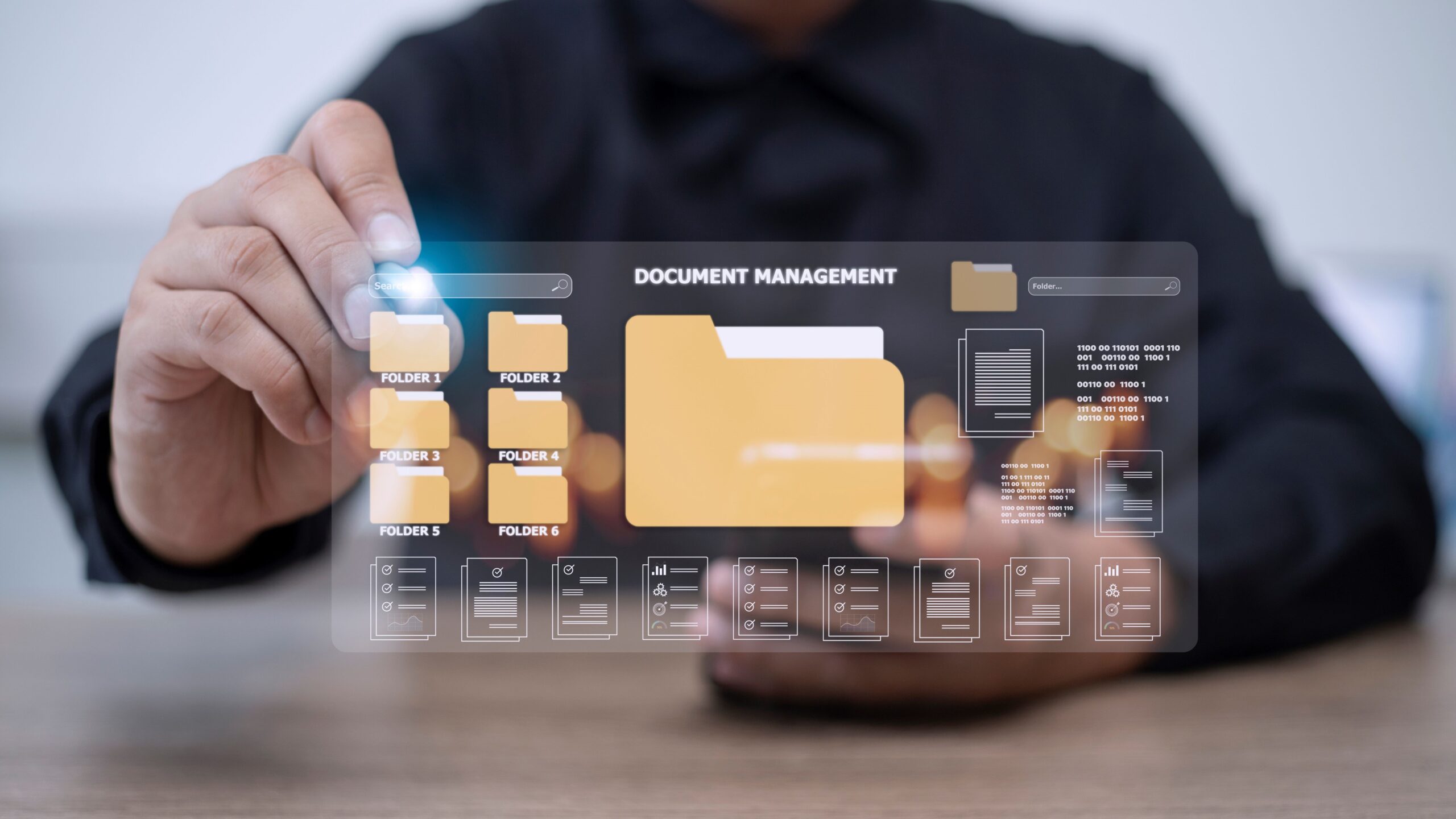
Ever wondered why so many government offices worldwide are ditching piles of paper? It’s not just about saving trees (though that’s a big part of it). Going paperless is about efficiency, cost-cutting, security, and modernizing the way governments serve the public. Imagine a world where you don’t have to stand in line clutching stacks of forms but can get things done with a few clicks. Sounds like a dream? It’s becoming a reality. Let’s dive into how government offices are making this shift, what challenges they face, and why it matters to you.
The Push Towards Digital Transformation
The shift toward paperless government offices isn’t happening in isolation—it’s part of a much broader wave known as digital transformation. This global movement is reshaping how public institutions operate and how citizens interact with them. At its core, digital transformation in government refers to the integration of modern technologies to replace outdated, manual, and paper-heavy systems. It involves rethinking service delivery to make it more efficient, accessible, and responsive. This shift impacts everything from internal workflows and document handling to how services like licensing, taxation, healthcare, and citizen identification are managed.
One of the strongest driving forces behind this transformation is the desire for operational efficiency. Paper-based systems are notoriously slow, error-prone, and resource-intensive. Governments are under increasing pressure to deliver faster results without expanding their budgets or workforces. By digitizing records and automating processes, offices can reduce turnaround times significantly. For example, what once took weeks to process through physical mail and manual approvals can now be completed in hours with e-forms, digital workflows, and e-signatures. This acceleration not only benefits the government but also drastically improves the experience for citizens, who no longer need to endure long waits or repeat visits to government buildings.
Cost reduction is another compelling reason governments are embracing digital transformation. Paper, ink, physical storage, and manual labor are all expensive, especially when scaled across large bureaucratic systems. Add to this the recurring costs of maintenance, printing, delivery, and file management, and the financial burden becomes enormous. Digitization slashes these expenses by eliminating the need for physical materials and automating repetitive tasks. Moreover, it also reduces the risk of lost documents, duplication of work, and human error—further driving down operational costs and waste.
Lastly, digital transformation is deeply tied to transparency, security, and environmental responsibility. Digitally managed records are easier to track, audit, and protect. Encryption, user authentication, and regular backups make data far more secure than fragile paper files. Transparency increases when citizens can access services online, track their application statuses, and communicate through official portals without being kept in the dark. And from an ecological standpoint, going paperless directly contributes to sustainability efforts by reducing deforestation, cutting down carbon emissions, and decreasing the volume of office waste. Governments adopting digital practices are not only modernizing their systems but also aligning themselves with the values of a more eco-conscious, tech-savvy society.
The Paper Problem in Government Offices
Before any government office can successfully go paperless, it’s important to grasp just how deep-rooted and overwhelming the paper problem really is. Across the public sector, paper still dominates countless workflows—clogging up processes, creating unnecessary delays, and placing an enormous burden on both infrastructure and staff. The reliance on paper isn’t just inconvenient; it’s expensive, outdated, and highly inefficient.
- Millions of documents are printed every day across departments — from tax filings and legal notices to birth certificates, permits, and internal memos. This constant demand for printing consumes vast quantities of paper, ink, and energy, all of which add up to a significant financial and environmental cost.
- Physical storage requirements are staggering — many government institutions maintain massive archives filled with floor-to-ceiling filing cabinets or entire warehouse spaces just to store outdated or inactive records. These storage areas must be maintained, organized, secured, and climate-controlled, costing a fortune in real estate and operations.
- Locating specific files becomes a logistical nightmare — when records are stored in physical folders, finding one document in thousands can take hours or even days. Misplaced files, inconsistent labeling, and human error can lead to delays, miscommunication, and sometimes even loss of critical information.
- There’s a constant risk of damage or destruction — fires, floods, pest infestations, mold, and physical wear and tear all threaten the integrity of paper files. Once damaged, these documents are often irretrievable, resulting in loss of valuable data and requiring citizens or officials to start the process from scratch.
- Manual paper-based processes slow everything down — approvals often require physical signatures from multiple people, which means documents are carried from desk to desk or mailed between departments. These handoffs lead to bottlenecks and delays, especially when someone is absent or a document is misplaced en route.
- Duplication of documents creates clutter and confusion — it’s not uncommon for government employees to photocopy or print multiple versions of the same file just in case it gets lost. This leads to redundancy, wasted materials, and challenges in identifying the most current version of a document.
- Security is hard to enforce with paper records — unauthorized access, theft, or casual mishandling can expose sensitive information. Unlike digital systems, which can log user access and encrypt files, paper documents can be copied or taken without a trace.
What Does Going Paperless Mean in Government?
| Function | Old Paper-Based Method | Paperless/Digital Method | Impact on Citizens | Impact on Government Offices |
| Forms & Applications | Manual form filling, often in triplicate | Online forms accessible via website or mobile app | Easier access, no travel needed | Reduces errors, speeds up submission |
| Signatures & Approvals | Physical signatures, courier delivery | E-signatures, real-time digital approvals | Faster processing times | Shortens approval cycles, enhances accountability |
| Document Storage | Filing cabinets, physical archives | Cloud-based digital repositories | Records are never “lost” or damaged | Saves space, improves data retrieval |
| Workflow Management | Manual routing of files between departments | Automated task assignments and progress tracking | Quicker responses, transparent status updates | Boosts internal efficiency, reduces processing delays |
| Public Interaction | In-person visits, phone calls | Online portals with chat, email, and service dashboards | 24/7 service availability | Frees up staff, improves citizen satisfaction |
Key Technologies Driving the Paperless Shift
The transition to paperless government offices wouldn’t be possible without the support of key technologies that streamline document handling, communication, and administrative workflows. At the heart of this transformation is the need to digitize and manage vast amounts of information efficiently while ensuring accessibility, security, and scalability. Government departments are increasingly leaning on specialized digital systems that not only replace paper but also reimagine how everyday operations are executed—from storing files to signing documents and processing approvals.
One of the most critical tools in this shift is the Document Management System (DMS). These platforms are designed to capture, organize, and retrieve digital documents quickly and accurately. Unlike traditional filing cabinets that require physical space and manual sorting, DMS platforms offer advanced search capabilities, indexing, and version control. This makes it easy for staff to locate and share files instantly, dramatically reducing administrative delays and the risk of document loss. The use of metadata tagging and permission settings also ensures that documents are accessed only by authorized personnel, which strengthens security and compliance.
Cloud computing plays an equally vital role by providing governments with flexible and cost-effective infrastructure. Instead of maintaining expensive on-site servers, public offices can store and manage data in the cloud, allowing for real-time access from multiple departments and locations. Cloud-based platforms are scalable, meaning they can grow with an organization’s needs, and they also offer automatic backups and disaster recovery options. These features make government systems more resilient, especially in times of crisis when uninterrupted access to records and services is essential.
Equally transformative are tools like electronic signatures and workflow automation software. E-signature platforms eliminate the need for printed forms and physical sign-offs, enabling faster approvals and reducing paper usage. These digital signatures are legally binding and often more secure than handwritten ones. Meanwhile, workflow automation tools help coordinate complex administrative processes by assigning tasks, sending reminders, and ensuring that approvals move through the proper channels without delay. By reducing manual input, these tools not only increase efficiency but also minimize human error, ensuring that government services are delivered more quickly and reliably to citizens.
How Are Governments Implementing Paperless Initiatives?
Governments typically adopt a carefully planned, phased approach to transition from paper-heavy workflows to fully digital operations. This structured method helps minimize disruption while allowing offices to adapt gradually to new technologies and processes. Here’s a detailed breakdown of the key steps governments take when implementing paperless initiatives:
- Digitizing Existing Documents: The first major hurdle is converting vast archives of physical records into digital formats. This involves scanning millions of pages, indexing files, and creating searchable digital repositories. Depending on the size and condition of the paper archives, this process can be time-consuming and resource-intensive. Governments often prioritize active or frequently accessed documents initially to speed up benefits, while gradually working through older or less critical files. This phase lays the foundation for a fully searchable and manageable document system.
- Introducing Online Forms and Portals: Once legacy documents are digitized, the next focus is shifting ongoing paperwork into digital channels. Paper forms traditionally required in-person visits or mail submission, but governments now develop user-friendly online forms accessible via websites or mobile apps. These portals allow citizens to submit applications, requests, and reports anytime and from anywhere, reducing physical queues and office visits. The availability of online portals also supports better tracking of application status, automated notifications, and seamless integration with backend systems.
- Training Staff and Changing Culture: Implementing new technology alone doesn’t guarantee success. Public servants who have worked with paper-based methods for years must be supported through extensive training and change management programs. This includes hands-on workshops, tutorials, and ongoing support to help staff feel confident and efficient using new digital tools. Additionally, there’s often resistance to change, so leadership plays a crucial role in encouraging adoption by demonstrating benefits and addressing concerns. Cultivating a digital-first mindset ensures that paperless initiatives are embraced and sustained over time.
- Continuous Improvement: Paperless transformation is not a one-off project but an ongoing journey. Governments continuously monitor system performance, gather user feedback, and update software and workflows to enhance functionality and security. New technologies such as artificial intelligence, machine learning, and blockchain may be incorporated over time to further optimize processes. This iterative approach helps governments stay adaptive and responsive to evolving needs, ensuring that paperless initiatives deliver lasting value both for officials and citizens alike.
Benefits of Going Paperless in Government
| Benefit | Description | Impact on Citizens | Impact on Government | Additional Notes |
| Faster Service | Processes that previously took weeks can now be completed in days or even hours thanks to digital workflows and automation. | Reduced waiting times, quicker access to services and approvals. | Increased productivity and ability to serve more people efficiently. | Faster processing reduces backlog and improves overall satisfaction. |
| Cost Savings | Significant reduction in expenses related to paper, ink, printing, storage space, and manual labor. | Potentially lower service fees and better allocation of public funds. | Budget savings that can be redirected to improve infrastructure or services. | Long-term cost reductions help governments sustain quality services. |
| Better Access | Digital storage and online portals allow 24/7 access to documents and services from anywhere. | Convenience of accessing government services remotely anytime. | Streamlined record retrieval and improved interdepartmental collaboration. | Improves transparency and reduces need for physical visits to offices. |
| Security Boost | Digital encryption, backups, and access controls protect sensitive information better than paper files. | Greater trust in the handling of personal data and reduced risk of identity theft. | Enhanced compliance with data protection laws and reduced risk of information loss. | Cybersecurity investment is crucial to maintain trust and system integrity. |
| Environmental | Drastically reduces paper consumption, saving millions of trees and lowering the government’s carbon footprint. | Citizens contribute to a greener planet by supporting sustainable practices. | Governments fulfill social responsibility and comply with environmental regulations. | Paperless efforts align with global sustainability goals and public expectations. |
Real-Life Examples of Paperless Government Projects
Some countries have become shining examples of how governments can successfully implement paperless initiatives to transform public services. Estonia, often hailed as one of the most digitally advanced nations, has built an entire ecosystem where almost every government service is available online. Citizens can vote, file taxes, register businesses, and even access health records with just a few clicks. This level of digitization has not only streamlined government operations but has also increased transparency and citizen engagement, setting a global benchmark for paperless governance.
Singapore offers another compelling case with its eCitizen portal, a centralized digital platform that provides hundreds of government services electronically. By consolidating services into one easy-to-use portal, Singapore has drastically cut down on paperwork and reduced the need for citizens to physically visit multiple agencies. This system supports everything from renewing passports and paying fines to accessing social services, making government interaction faster, simpler, and more convenient for everyone involved.
In India, the Digital India initiative represents a massive push to digitize government services across a country with more than a billion people. The initiative aims to bridge the digital divide by making services accessible on mobile devices, helping even those in remote or rural areas. With online portals, electronic payments, and mobile apps, India is making significant strides toward reducing reliance on paper forms and improving access to essential public services like health, education, and financial inclusion.
These real-world examples demonstrate the powerful impact that paperless projects can have when driven by strong government commitment and supported by modern technology. While each country faces unique challenges based on its size, infrastructure, and population, the benefits of increased efficiency, cost savings, and improved citizen experience are clear. These models inspire other governments to accelerate their digital transformation journeys and rethink how they serve their citizens in the 21st century.